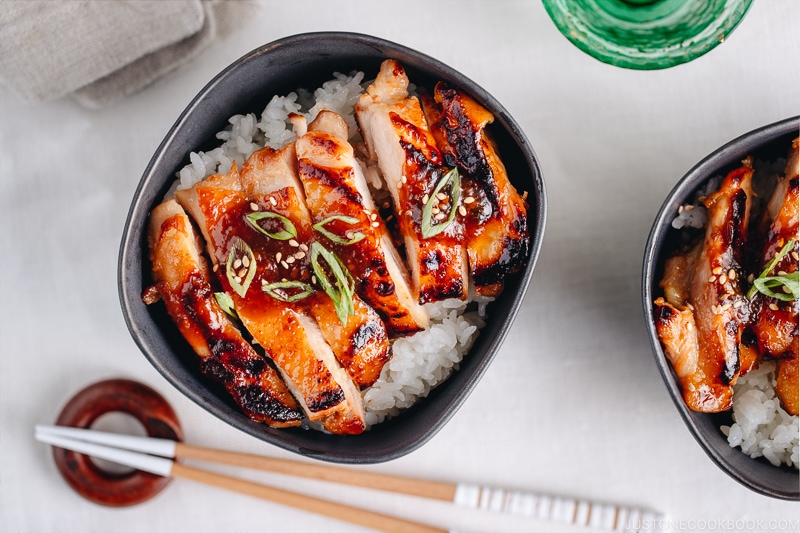
Master Miso Chicken: Pan-Fried, Grilled, or Hot Pot Recipes for Ultimate Flavor
Few ingredients in Japanese cuisine offer the depth, versatility, and sheer umami punch quite like miso. This fermented soybean paste transforms ordinary chicken into an extraordinary culinary experience, whether you're seeking a quick weeknight meal or a comforting family feast. Miso chicken, in its various forms, delivers a delightful balance of sweet, salty, and savory notes, promising a tender, flavorful protein every time. From the smoky char of a grill to the comforting warmth of a hot pot, mastering miso chicken is a gateway to truly satisfying Japanese-inspired cooking.
At its heart, miso chicken is a testament to simplicity and flavor evolution. The humble chicken thigh, known for its forgiving nature and succulent texture, becomes a canvas for miso's complex profile. But it doesn't stop there; chicken breast, drumsticks, and even other proteins like pork or fish readily adopt this irresistible marinade. Let's delve into the techniques and traditions behind pan-fried, grilled, and hot pot miso chicken, ensuring you can whip up a delectable dish no matter your kitchen setup or time constraints.
The Art of the Miso Marinade: Flavor Foundations
The secret to exceptional miso chicken lies squarely in its marinade. Miso, available in various shades from light white to dark red, offers a spectrum of flavors. White miso (shiro miso) is typically milder and sweeter, lending itself well to a lighter, more delicate marinade, while red miso (aka miso) boasts a deeper, more robust, and saltier umami profile. Combining both, as seen in some traditional recipes, creates a beautifully balanced and complex flavor.
A typical miso chicken marinade goes beyond just miso. Here’s a breakdown of essential components and their roles:
- Miso Paste: The star ingredient, providing the foundational umami, sweetness, and saltiness. Experiment with white, red, or a blend.
- Sake or Mirin: These Japanese rice wines are crucial. Sake adds a subtle sweetness and helps tenderize the meat, while mirin provides a distinctly sweet, glossy finish and deeper umami. Together, they create a characteristic Japanese flavor base. If sake isn't available, a dry sherry can be a substitute, as suggested in some bento-focused recipes.
- Sweetener: A touch of sugar (brown sugar is excellent for its molasses notes) or even honey helps balance the saltiness of the miso and contributes to that desirable caramelization during cooking. This sweet-salty dynamic is a hallmark of many delicious Japanese marinades.
- Acidity & Brightness: Lemon juice and zest, or the more floral and intense yuzu juice, cut through the richness of the miso and chicken. They add a vibrant, fresh counterpoint that elevates the overall taste, preventing the dish from becoming overly heavy.
- Sesame Oil: Just a touch of white sesame oil imparts a wonderful nutty aroma and subtle richness.
- Salt: While miso is salty, a pinch of extra salt can help draw out moisture and deepen the flavor absorption.
Crafting Your Marinade: Combine your chosen miso with sake, mirin, sugar, citrus, and sesame oil in a small bowl, whisking until smooth. For the chicken, typically chicken thighs (boneless or bone-in, skin-on or off) are preferred for their juiciness, but chicken breast also works well. For optimal flavor penetration, especially for quick cooks, cut the chicken into bite-sized pieces. Rub the marinade generously over the chicken. While some recipes call for an overnight soak for maximum depth, even a quick 10-15 minute massage can infuse sufficient flavor, particularly when the meat is cut smaller.
Pan-Fried & Grilled Miso Chicken: Quick & Crispy Perfection
When time is of the essence, or you simply crave that satisfying char, pan-frying or grilling miso chicken are your go-to methods. These techniques are incredibly straightforward yet yield impressive results.
Pan-Frying (Tori Misoyaki): This classic Japanese preparation, often found in bento boxes, highlights the marinade's ability to create a beautifully caramelized crust.
- Preparation: Marinate your chicken thighs (boneless are easiest for even cooking) or breast pieces. For speed, aim for bite-sized cuts.
- Heat: Heat a good quality non-stick frying pan or a cast iron grill pan over medium heat. A little olive oil can help prevent sticking, especially with cast iron.
- Cook: Place the chicken pieces in the hot pan, ensuring not to overcrowd it (cook in batches if necessary). Cook for about 4 minutes per side. The key is to achieve a golden-brown, slightly charred exterior where the miso sugars have beautifully caramelized, while ensuring the chicken is cooked through and juicy on the inside.
- Rest: Allow the chicken to rest for a few minutes off the heat before serving. This helps redistribute the juices, ensuring maximum tenderness.
Grilling: For a smoky depth and attractive grill marks, grilling is an excellent choice.
- Preparation: Marinate chicken thighs (skin-on works wonderfully here for crispy skin).
- Heat: Preheat your grill (gas or charcoal) to medium-high heat. Lightly oil the grates.
- Cook: Place the chicken on the hot grill. Cook for 5-7 minutes per side, depending on thickness, or until the internal temperature reaches 165°F (74°C). The direct heat will create appealing char marks and a delightful smoky aroma that complements the miso.
Tip: Due to the sugar content in miso marinades, they can burn easily. Keep an eye on the heat and adjust as needed. Medium heat is usually ideal for pan-frying to allow for caramelization without scorching.
Embracing Warmth: The Miso Chicken Hot Pot (Nabe)
For a more elaborate, yet surprisingly simple, one-pot meal, the miso chicken hot pot (or nabe) offers immense comfort and a rich, creamy sauce that's irresistible, especially over warm rice. This method allows the chicken to slow-cook, becoming incredibly tender while infusing the accompanying vegetables with its savory goodness.
Building Your Hot Pot:
- Marinate the Chicken: Start with bone-in, skin-on chicken thighs and drumsticks for maximum flavor. A complex marinade combining white and red miso, sake, mirin, lemon juice, grated lemon zest, and a touch of yuzu juice will create a wonderfully bright and savory profile.
- Sear for Flavor: Before assembling the hot pot, sear the marinated chicken pieces in a frying pan for 3-4 minutes per side until the skin is golden brown and crispy. This step locks in flavor and provides textural contrast.
- Create a Flavorful Base: In a heavy-based casserole pan or Dutch oven, sauté aromatics like crushed garlic and finely chopped onion with root vegetables such as peeled parsnips and carrots, cut into wedges, in a little olive oil until they begin to soften and turn golden. This forms a sweet and earthy bed for the chicken.
- Layer and Simmer: Arrange the seared chicken pieces on top of the cooked vegetables. Don't waste any leftover marinade! Swirl about 200ml of water or chicken stock around the marinade bowl to "clean" it, then add this flavorful liquid to the pot.
- Add Brightness: Slice the lemon you squeezed for the marinade in half and add it to the pot along with fresh chopped parsley leaves. These elements will infuse the dish with freshness as it simmers.
- Cook to Perfection: Reduce the heat, cover the pot, and cook for about 25 minutes. The chicken will become incredibly tender, the vegetables will be perfectly cooked, and the rich, creamy sauce will be packed with umami.
Serving Your Hot Pot: This dish is a complete meal on its own, but it truly shines when served with warm, fluffy rice to soak up every last drop of the irresistible sauce. A side of simply stir-fried savoy cabbage with a hint of olive oil and soy sauce makes a fantastic accompaniment, adding a fresh, green element.
Elevating Your Miso Chicken Experience: Tips & Variations
- Experiment with Miso: Don't be afraid to try different types of miso. Hatcho miso, a dark red miso, offers an even deeper, earthier flavor.
- Protein Alternatives: While chicken is excellent, apply these marinade and cooking techniques to pork belly, firm white fish, or even tofu for delicious variations.
- Spice it Up: For a kick, add a pinch of shichimi togarashi (Japanese seven-spice blend) or a dash of chili flakes to your marinade or as a garnish.
- Garnish Generously: Fresh chopped spring onions, toasted sesame seeds, or a drizzle of extra sesame oil can enhance the presentation and add extra layers of flavor.
- Bento Box Friendly: Pan-fried miso chicken is perfect for meal prep. It cools beautifully and tastes fantastic when packed for lunch.
- Leftovers: Miso chicken leftovers store well in the refrigerator for 2-3 days and can be gently reheated, often tasting even better the next day as flavors deepen.
Whether you opt for the quick convenience of pan-frying or grilling, or the comforting embrace of a hot pot, miso chicken is a dish that promises profound flavor and satisfying simplicity. Its versatility makes it a perfect choice for any occasion, proving that sometimes, the most profound culinary experiences come from the simplest, most thoughtfully prepared ingredients. So go ahead, master miso chicken, and transform your everyday meals into a taste of Japan.
